The Ultimate Home Improvement Guide for Clients Planning a Full House Renovation
A full house renovation is one of the biggest investments homeowners can make. Whether you are upgrading an old property, increasing its market value, or transforming your living space into your dream home, the process requires careful planning, smart budgeting, and the right decisions at every stage. Many homeowners begin with excitement but often face challenges when they don’t have a proper roadmap.
A complete home renovation is much more than changing paint colors or replacing furniture. It involves structural updates, electrical work, plumbing improvements, flooring replacement, kitchen remodeling, bathroom upgrades, and sometimes even adding extra rooms. Without proper planning, the process can become overwhelming, expensive, and stressful.
In this ultimate guide, we will walk you through everything you need to know before starting your full house renovation. From planning and budgeting to choosing materials and avoiding mistakes, this guide covers it all.
Understand Your Renovation Goals
Before starting any home improvement project, it is important to identify your goals. Ask yourself why you want to renovate your house.
Are you renovating to improve comfort for your family? Do you want to increase resale value? Is your home outdated and in need of modern upgrades? Or are you repairing damaged areas?
Your goals will shape every decision you make. For example, if your focus is on increasing property value, you may prioritize kitchen and bathroom renovations. If comfort is your main goal, you may invest more in insulation, better lighting, and larger living spaces.
Create a list of must-have upgrades and separate them from optional improvements. This will help you stay organized.
Set a Realistic Budget
Budgeting is one of the most important parts of a full house renovation. Many projects go over budget because homeowners underestimate costs.
Start by calculating how much you can comfortably spend. Include all major expenses like labor, materials, permits, and inspections. It is also wise to keep an extra 15 to 20 percent for unexpected issues.
Common renovation costs include:
Kitchen remodeling
Bathroom upgrades
Flooring replacement
Painting
Electrical rewiring
Plumbing updates
Roof repairs
Window replacement
Heating and cooling system upgrades
Landscaping
When creating your budget, always compare quotes from multiple contractors to get a fair estimate.
Create a Detailed Renovation Plan
A renovation without a plan often leads to delays and confusion. A proper plan should include the timeline, design ideas, budget breakdown, and contractor responsibilities.
Start by deciding which areas need immediate attention. Usually, major structural repairs should come first, followed by electrical and plumbing work. Cosmetic improvements like painting and decorating should come last.
A typical renovation order looks like this:
Inspection and planning
Demolition
Structural repairs
Plumbing and electrical installation
Wall repairs
Flooring installation
Painting
Kitchen and bathroom fitting
Final decoration
Having this order in mind will make the process smoother.
Hire the Right Professionals
Choosing the right professionals can make or break your renovation project. Depending on the scale of your renovation, you may need architects, interior designers, electricians, plumbers, and contractors.
When hiring professionals, check their previous work, customer reviews, and licenses. Ask for written estimates and project timelines.
Do not choose the cheapest option without checking quality. Sometimes low-cost contractors cut corners, which can lead to bigger problems later.
Good communication with your team is essential. Make sure everyone understands your vision clearly.
Get Necessary Permits
Many homeowners overlook permits, but they are often legally required for major renovations.
Permits may be needed for:
Structural changes
Electrical rewiring
Plumbing modifications
Roof replacements
Room additions
Skipping permits can result in fines and complications if you decide to sell your home later.
Check with your local authorities to understand what approvals are required before work begins.
Focus on Structural Integrity First
Cosmetic upgrades may look exciting, but structural repairs should always come first.
Inspect your home for issues like:
Foundation cracks
Roof leaks
Water damage
Termite damage
Wall cracks
Weak support beams
Fixing these issues early ensures your home remains safe and stable. Ignoring structural problems can lead to costly repairs in the future.
Upgrade Electrical Systems
Older homes often have outdated electrical systems that may not handle modern appliances and technology.
A full renovation is the perfect time to upgrade wiring, outlets, and breaker panels.
Consider adding:
Extra power outlets
Smart home systems
Energy-efficient lighting
USB charging ports
Security systems
Modern electrical upgrades improve convenience and safety while increasing your home’s value.
Update Plumbing Systems
Plumbing is another key area that should be addressed during a full house renovation.
Old pipes may have leaks, rust, or low water pressure. Replacing outdated plumbing now can prevent future water damage.
Upgrade to:
Water-efficient faucets
Modern piping systems
Tankless water heaters
Better drainage systems
Filtered water systems
This is especially important for kitchens and bathrooms.
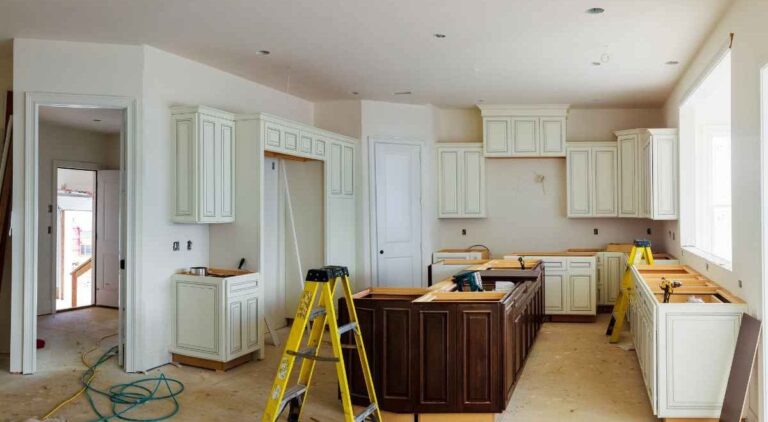
Invest in Kitchen Renovation
The kitchen is often considered the heart of the home. It is also one of the top areas buyers focus on.
A kitchen renovation can include:
New cabinets
Modern countertops
Energy-efficient appliances
Better lighting
Smart storage solutions
Updated flooring
Open-concept layouts are popular because they make the space feel bigger and more social.
Choose durable materials like quartz countertops and hardwood cabinets for long-lasting value.
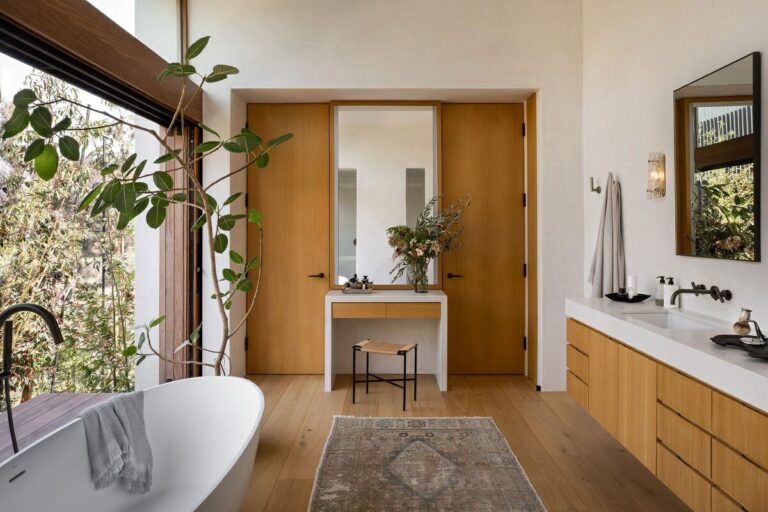
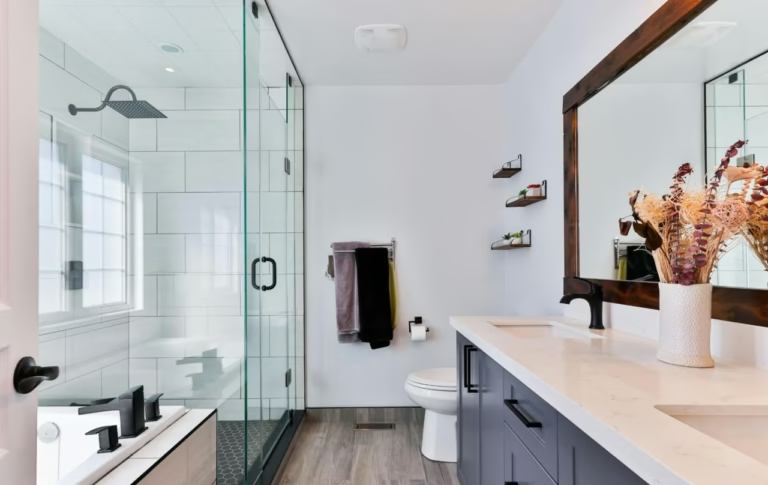
Modernize Bathrooms
Bathrooms are another high-value area in home renovations.
A modern bathroom can improve comfort and increase property value.
Popular bathroom upgrades include:
Walk-in showers
Freestanding bathtubs
Double sinks
Water-saving toilets
Heated floors
LED mirrors
Use moisture-resistant materials to improve durability.
Improve Flooring Throughout the House
Flooring plays a major role in the appearance and comfort of your home.
Popular flooring options include:
Hardwood for elegance
Laminate for affordability
Tile for bathrooms and kitchens
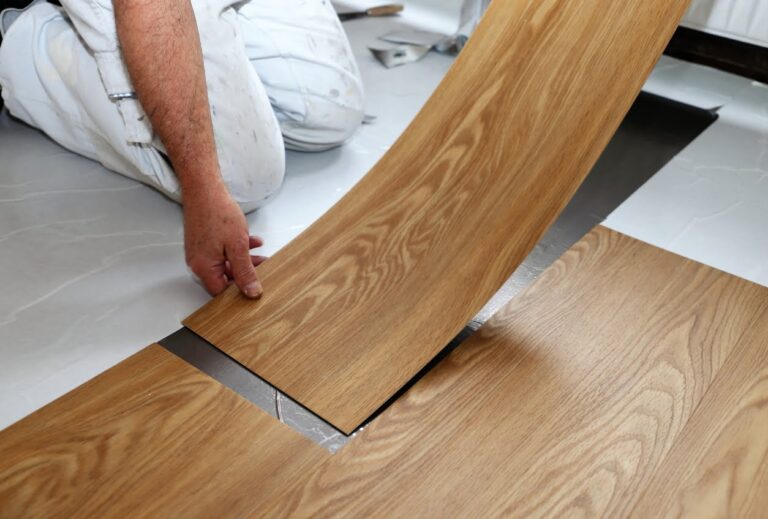
Vinyl for durability
Carpet for bedrooms
Choose flooring based on room function, budget, and maintenance needs.
Consistency in flooring design can create a smoother flow throughout the house.
Upgrade Insulation and Energy Efficiency
Energy efficiency should be a priority during a full renovation.
Improving insulation can reduce heating and cooling costs significantly.
Consider upgrading:
Wall insulation
Attic insulation
Windows
Doors
Roofing materials
Energy-efficient homes are more comfortable and environmentally friendly.
Double-glazed windows and insulated doors can make a big difference.
Enhance Lighting Design
Lighting has the power to completely transform a home.
A good lighting plan should include:
Ambient lighting
Task lighting
Accent lighting
Natural light improvements
Install larger windows where possible to maximize sunlight.
Smart lighting systems can add convenience and reduce energy use.
Choose the Right Paint Colors
Paint is one of the easiest ways to refresh your home.
Neutral colors like white, beige, and gray remain popular because they create a clean and timeless look.
For bold personality, you can add accent walls in living rooms or bedrooms.
Use high-quality paint for durability and better finish.
Think About Storage Solutions
Storage is often overlooked during renovations.
Smart storage can improve organization and reduce clutter.
Ideas include:
Built-in shelves
Under-stair storage
Walk-in closets
Kitchen pantry systems
Hidden cabinets
Good storage makes your home more practical and attractive.
Don’t Ignore Outdoor Spaces
Home improvement should not stop inside the house.
Outdoor upgrades can improve curb appeal and create extra living space.
Consider:
Garden landscaping
Patio renovation
Outdoor kitchens
Driveway improvements
Fence replacement
Exterior painting
A beautiful exterior leaves a strong first impression.
Add Smart Home Features
Technology has become a major part of modern homes.
Adding smart features during renovation can increase comfort and security.
Popular smart upgrades include:
Smart thermostats
Video doorbells
Smart locks
Automated lighting
Voice-controlled systems
Smart security cameras
These features make daily life easier and can attract future buyers.
Prepare for Temporary Living Changes
A full house renovation can be disruptive, especially if major work affects kitchens, bathrooms, or bedrooms.
You may need to:
Stay with family
Rent temporary accommodation
Create temporary cooking spaces
Plan for noise and dust
Preparing for this in advance can reduce stress.
Avoid Common Renovation Mistakes
Many homeowners make avoidable mistakes during renovation.
Common mistakes include:
Starting without a budget
Hiring unqualified contractors
Changing plans midway
Ignoring permits
Choosing cheap materials
Rushing decisions
Skipping inspections
Avoiding these mistakes can save time and money.
Track Progress Regularly
Stay involved throughout the renovation process.
Visit the site regularly, check progress, and communicate with your contractors.
Keep records of:
Payments
Receipts
Contracts
Material orders
Project updates
This helps prevent misunderstandings.
Final Inspection and Finishing Touches
Before considering the project complete, do a final walkthrough.
Check for:
Paint quality
Flooring finish
Plumbing leaks
Electrical functionality
Cabinet fitting
Door alignment
Window seals
Make a list of any unfinished work and ensure it is completed.
Once everything is done, focus on decorating your home with furniture, curtains, artwork, and accessories.
Conclusion
A full house renovation is a major journey, but with proper planning, it can be one of the most rewarding investments you make. From budgeting and hiring professionals to upgrading kitchens, bathrooms, and energy systems, every step matters.
The key to success is staying organized, making informed decisions, and focusing on both beauty and functionality. A well-renovated home not only improves your daily lifestyle but also increases long-term property value.
Whether you are renovating a small family house or a large property, following this ultimate home improvement guide will help you navigate the process with confidence and achieve the results you want.