Budget-Friendly Home Improvement Strategies for Clients to Upgrade Any Room
Home improvement does not always mean spending thousands of dollars on expensive materials, hiring large teams, or doing full-scale renovations. Many homeowners believe upgrading their living spaces requires a massive budget, but the reality is different. With proper planning, smart choices, and creative ideas, anyone can transform a room without breaking the bank.
For clients looking to improve their homes on a budget, the key lies in understanding where to spend, where to save, and how to maximize the value of every improvement. Whether it is a living room, kitchen, bedroom, bathroom, or even a small office, affordable home improvement strategies can make a huge difference in both appearance and functionality.
In this guide, we will explore practical, cost-effective, and impactful home improvement ideas that can upgrade any room while staying within budget.
Start With a Clear Budget Plan
Before beginning any home improvement project, setting a clear budget is essential. This helps prevent overspending and ensures every dollar is used wisely.
Start by listing what needs improvement. Separate the items into three categories:
Essential upgrades
Optional upgrades
Luxury additions
This approach helps clients focus on the most important improvements first. For example, fixing damaged walls or replacing broken fixtures should come before decorative upgrades.
A simple budget also allows room for unexpected costs, which often appear during renovations.
Focus on High-Impact Low-Cost Changes
Not all improvements require major construction. Some of the most effective upgrades are simple and affordable.
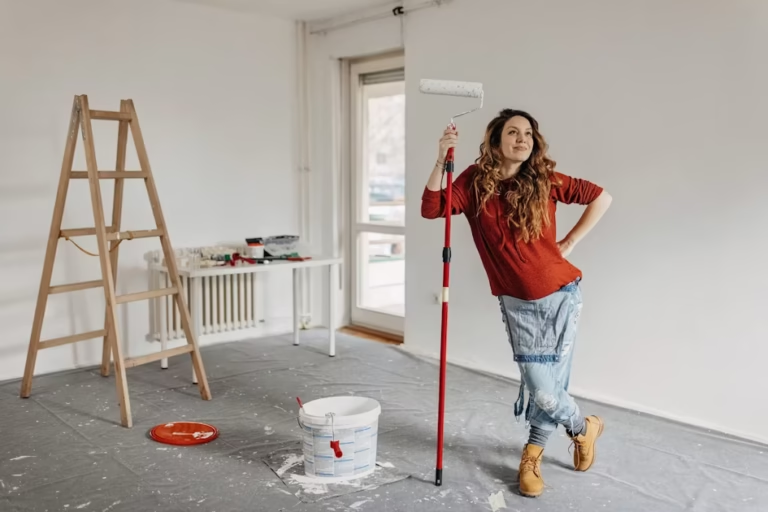
Painting walls is one of the best examples. A fresh coat of paint can completely transform a room. Neutral shades like white, beige, and light gray create a modern and clean appearance while making spaces look larger.
Changing outdated cabinet handles, door knobs, and drawer pulls is another low-cost improvement that instantly updates the room’s style.
Replacing old curtains, rugs, and cushions can also add a fresh look without spending too much.
These small updates often create the biggest visual impact.
Upgrade Lighting for a Better Atmosphere
Lighting plays a major role in how a room looks and feels. Poor lighting can make even a beautiful room seem dull.
Affordable lighting upgrades include:
Installing LED bulbs
Adding floor lamps
Replacing old light fixtures
Using wall sconces
Adding under-cabinet lighting
LED lighting is energy-efficient and helps reduce electricity bills, making it a smart long-term investment.
Natural light should also be maximized. Removing heavy curtains and using lighter fabrics can make rooms feel brighter and more open.
Refresh Walls With Creative Designs
Walls are one of the largest visible areas in any room, making them important for home improvement.
Besides paint, budget-friendly wall upgrades include:
Peel-and-stick wallpaper
Wall decals
DIY paneling
Floating shelves
Gallery walls
Peel-and-stick wallpaper has become very popular because it is affordable, easy to apply, and available in many designs.
Gallery walls made from family photos or artwork can personalize a space without costing much.
Adding shelves not only improves wall appearance but also provides extra storage.
Improve Flooring Without Replacing It
Floor replacement can be expensive, but there are cheaper alternatives.
Budget-friendly flooring upgrades include:
Deep cleaning carpets
Using area rugs
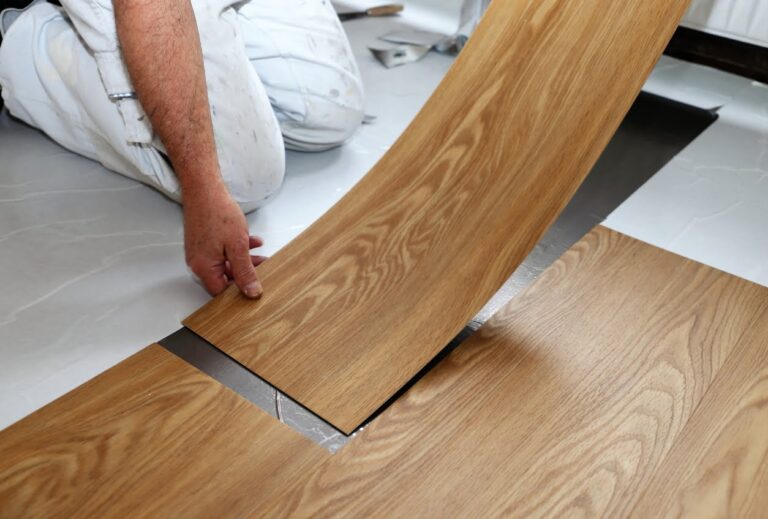
Vinyl flooring overlays
Peel-and-stick floor tiles
Refinishing wooden floors
Vinyl flooring is especially popular because it looks modern and costs much less than hardwood or tile.
Area rugs can cover damaged flooring while adding color and warmth to a room.
For wooden floors, refinishing can restore their beauty at a fraction of replacement costs.
Maximize Storage Solutions
Clutter can make any room feel smaller and less attractive. Smart storage solutions are an affordable way to improve both function and appearance.
Consider these options:
Storage ottomans
Under-bed storage
Wall-mounted shelves
Hanging organizers
Built-in storage benches
Multi-purpose furniture saves space and money. For example, a storage bench can provide seating while also hiding extra items.
Kitchen and bathroom spaces especially benefit from smart storage upgrades.
Organized spaces always feel more luxurious.
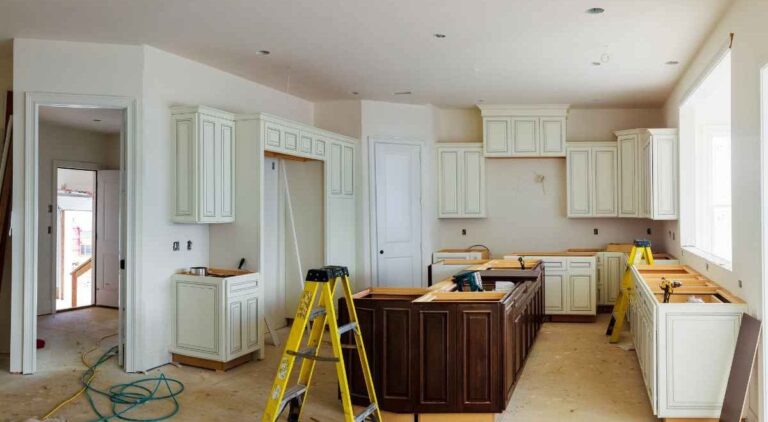
Update Kitchen Without Full Renovation
The kitchen is often the heart of the home, but full renovations can be expensive.
Instead of replacing everything, clients can focus on smaller upgrades like:
Painting cabinets
Changing cabinet handles
Installing backsplash stickers
Replacing faucets
Adding open shelving
Painting cabinets can dramatically modernize a kitchen at a low cost.
Peel-and-stick backsplashes are affordable and easy to install.
Replacing an old faucet with a stylish modern one can improve both appearance and usability.
Even simple changes can make an old kitchen feel new again.
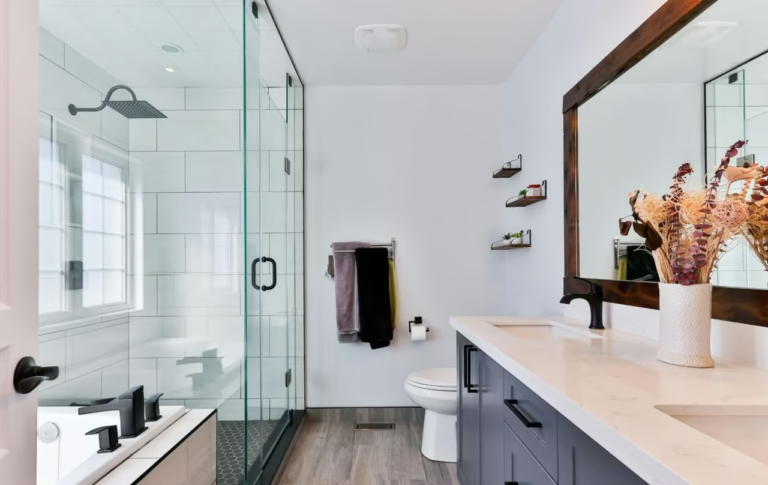
Transform Bathrooms on a Budget
Bathrooms are another important area where small upgrades can make a big difference.
Affordable bathroom improvements include:
Replacing shower curtains
Updating mirrors
Installing new faucets
Adding storage shelves
Changing lighting fixtures
Re-grouting tiles
A new mirror can instantly improve the room’s style.
Re-grouting old tiles makes them look fresh and clean without replacing them.
Small decorative touches like plants, soap dispensers, and matching towels can create a spa-like feel.
Invest in Multi-Functional Furniture
Furniture can be expensive, but choosing multi-functional pieces helps maximize value.
Examples include:
Sofa beds
Foldable desks
Storage beds
Nesting tables
Expandable dining tables
These pieces are especially useful for small homes and apartments.
Instead of buying multiple items, one multi-purpose piece can solve several needs.
This strategy saves both space and money.
Add Smart Home Features Affordably
Smart home technology has become more affordable than ever.
Budget-friendly smart upgrades include:
Smart bulbs
Smart plugs
Video doorbells
Programmable thermostats
Motion sensor lights
These upgrades improve convenience, energy efficiency, and security.
Smart plugs, for example, allow clients to control devices from their phones without expensive wiring.
Even one or two smart features can modernize a home significantly.
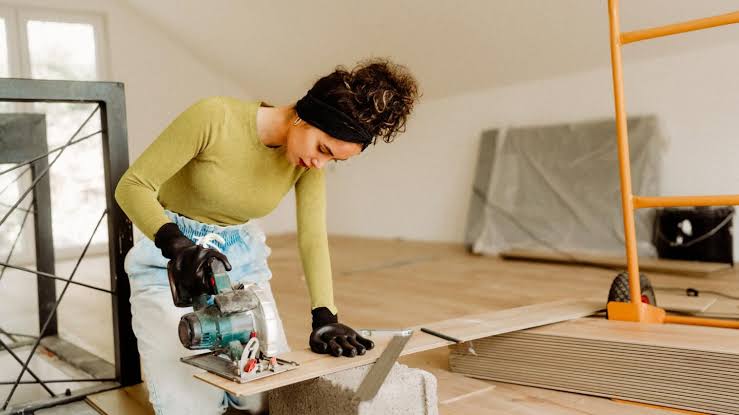
Use DIY Projects to Cut Costs
Labor costs often make up a large part of renovation expenses. Doing some tasks yourself can save a lot.
DIY-friendly projects include:
Painting
Installing shelves
Decorating walls
Building furniture
Replacing hardware
There are many tutorials available online for beginners.
However, electrical and plumbing work should usually be left to professionals for safety reasons.
Combining DIY with professional help is often the most budget-friendly approach.
Repurpose Existing Items
Not everything needs to be bought new.
Repurposing existing furniture and décor can save money while adding unique style.
Ideas include:
Repainting old furniture
Using old ladders as shelves
Turning wooden crates into storage
Reupholstering chairs
Reusing jars for storage
This strategy is eco-friendly and budget-friendly.
Many old items can become stylish pieces with a little creativity.
Improve Curb Appeal on a Budget
Even though the focus may be indoors, exterior improvements matter too.
Affordable curb appeal upgrades include:
Painting the front door
Adding outdoor lighting
Planting flowers
Cleaning pathways
Updating house numbers
The entrance creates the first impression of a home.
A freshly painted front door can make the entire property look more inviting.
Simple landscaping can also boost property value.
Prioritize Energy Efficiency
Energy-efficient improvements save money over time.
Affordable upgrades include:
Sealing windows and doors
Installing insulation
Using LED bulbs
Adding ceiling fans
Installing smart thermostats
Lower utility bills mean these improvements eventually pay for themselves.
Clients should view energy efficiency as both a home upgrade and a financial investment.
Shop Smart for Materials
One of the best ways to save money is by buying materials wisely.
Look for:
Seasonal sales
Clearance items
Second-hand stores
Online marketplaces
Discount warehouses
Many high-quality materials can be found at reduced prices.
Sometimes leftover materials from other projects are sold cheaply and work perfectly for smaller renovations.
Comparing prices before buying is always worth the effort.
Create a Room-by-Room Improvement Plan
Trying to upgrade the entire home at once can become overwhelming and expensive.
A room-by-room strategy makes more sense.
Start with:
The most-used room
The room in worst condition
The room that adds the most value
For many clients, this means starting with the kitchen, bathroom, or living room.
This phased approach spreads out costs and makes the process easier to manage.
Avoid Common Budget Mistakes
Even budget-friendly projects can become expensive if mistakes happen.
Common mistakes include:
Not planning ahead
Buying low-quality materials
Ignoring hidden costs
Changing plans midway
Hiring unqualified contractors
Proper planning helps avoid these problems.
Clients should always compare contractors, read reviews, and ask for clear estimates.
A little research can prevent costly errors.
Think Long-Term Value
The best budget home improvements are the ones that provide lasting benefits.
Instead of focusing only on appearance, clients should think about:
Durability
Functionality
Energy savings
Resale value
For example, improving insulation may not be visually exciting, but it saves money for years.
Likewise, upgrading storage can improve everyday living.
Balancing beauty and practicality creates the best results.
Final Thoughts
Budget-friendly home improvement is about making smart decisions rather than spending large amounts of money. With the right strategies, clients can upgrade any room and create a more beautiful, comfortable, and functional home without financial stress.
Simple changes like painting walls, improving lighting, updating fixtures, adding storage, and using DIY solutions can have a major impact. By focusing on high-value improvements and planning carefully, homeowners can achieve impressive results even with limited budgets.
Home improvement should not feel impossible because of cost. With creativity, patience, and the right priorities, every room in a home can be transformed into a space that feels fresh, modern, and welcoming.