Creative Home Improvement Ideas for Clients to Improve Small Spaces Efficiently
Small spaces can often feel limiting, but with the right home improvement strategies, they can become stylish, functional, and comfortable. Many homeowners believe that larger homes automatically offer better living experiences, but the truth is that smart design and efficient upgrades can make even the smallest spaces feel spacious and practical. For clients looking to improve compact homes, apartments, or individual rooms, creative home improvement ideas can completely transform the way a space looks and functions.
Whether it is a tiny living room, a small bedroom, a compact kitchen, or a narrow bathroom, every inch matters. The goal is to maximize available space while maintaining beauty and comfort. With thoughtful planning, innovative storage solutions, and modern design techniques, small spaces can become highly efficient and enjoyable.
Understanding the Challenges of Small Spaces
Before starting any home improvement project, it is important to understand the common challenges small spaces present. Limited floor area, lack of storage, poor lighting, and overcrowding are among the most common issues homeowners face.
Small homes often feel cluttered because there is simply not enough room for furniture, decorations, and everyday essentials. Without proper organization, even a beautiful room can feel chaotic. This is why home improvement for small spaces should focus on functionality first and aesthetics second.
Clients should identify the biggest pain points in their homes. Is the kitchen too tight for cooking? Does the bedroom lack storage? Is the living room overcrowded? Once these issues are clear, it becomes easier to choose the right improvements.
Use Multi-Functional Furniture
One of the smartest ways to improve small spaces is by investing in multi-functional furniture. These pieces serve more than one purpose, helping save space while adding convenience.
For example, a sofa bed can act as seating during the day and a bed at night. A coffee table with built-in storage provides a place for magazines, blankets, or remote controls. Foldable dining tables can be expanded when guests arrive and folded away when not needed.
Storage ottomans are another excellent choice. They provide seating, footrest options, and hidden storage. Murphy beds are also becoming increasingly popular for compact bedrooms and studio apartments.
Choosing furniture that works harder allows clients to enjoy more functionality without overcrowding their homes.
Install Vertical Storage Solutions
When floor space is limited, the best option is to think vertically. Walls offer valuable storage opportunities that many homeowners overlook.
Floating shelves can store books, decorations, and daily essentials without taking up floor space. Tall cabinets make use of unused wall height and provide plenty of storage. Wall-mounted desks can create a workspace without needing bulky furniture.
Hooks and pegboards are also practical for kitchens, bathrooms, and entryways. They can hold utensils, bags, keys, and towels while keeping surfaces clear.
Vertical storage keeps rooms organized and visually larger by reducing clutter.
Maximize Natural Light
Lighting plays a huge role in how spacious a room feels. Dark rooms often appear smaller, while bright rooms feel open and welcoming.
Clients can improve small spaces by maximizing natural light. Replacing heavy curtains with sheer ones allows sunlight to enter freely. Larger windows or glass doors can dramatically improve brightness if the budget allows.
Mirrors are another simple but effective trick. Placing mirrors opposite windows reflects natural light throughout the room, creating the illusion of more space.
Light-colored walls, ceilings, and flooring also help reflect light, making the room feel larger.
Choose Smart Built-In Storage
Built-in storage is one of the best long-term home improvement investments for small spaces. Unlike traditional furniture, built-ins are customized to fit specific areas, making better use of every inch.
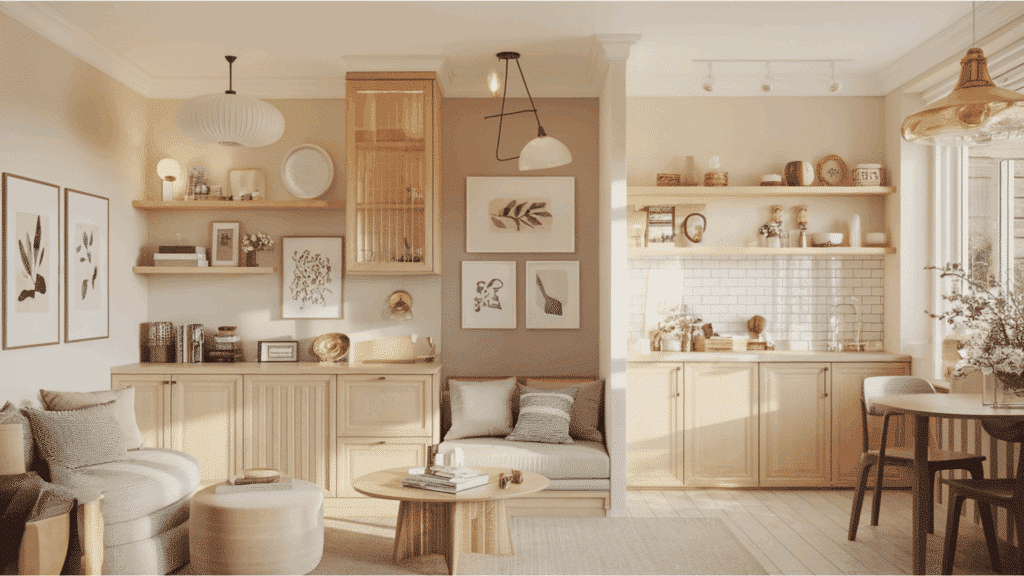
Built-in wardrobes can fit perfectly into awkward corners. Window seats with hidden storage provide seating and organization. Under-stair cabinets can turn wasted space into useful storage.
In kitchens, custom cabinets that extend to the ceiling create more storage for less frequently used items. In bathrooms, recessed shelves can store toiletries without taking up extra room.
Built-ins offer a clean and seamless appearance while increasing functionality.
Open Up the Floor Plan
Removing unnecessary walls can make a huge difference in small homes. Open floor plans create better flow and allow spaces to feel larger and more connected.
For example, combining the kitchen and dining area can create a more spacious environment. Opening a living room to a hallway can improve visibility and movement.
Even partial wall removals or larger doorways can help create a sense of openness. However, clients should always consult professionals before removing structural walls.
An open layout improves natural light distribution and makes social interaction easier.
Upgrade Small Kitchens Efficiently
The kitchen is one of the most important areas in any home, and in small spaces, efficiency is everything.
Clients can improve small kitchens by installing pull-out pantry shelves, corner storage units, and hanging racks for pots and pans. Compact appliances are also excellent for saving space.
Replacing bulky cabinets with open shelving can create a lighter and more open appearance. Slim kitchen islands with storage underneath can provide extra prep space without overwhelming the room.
Using lighter cabinet colors and reflective backsplashes can also make the kitchen appear larger.
Transform Small Bathrooms with Smart Design
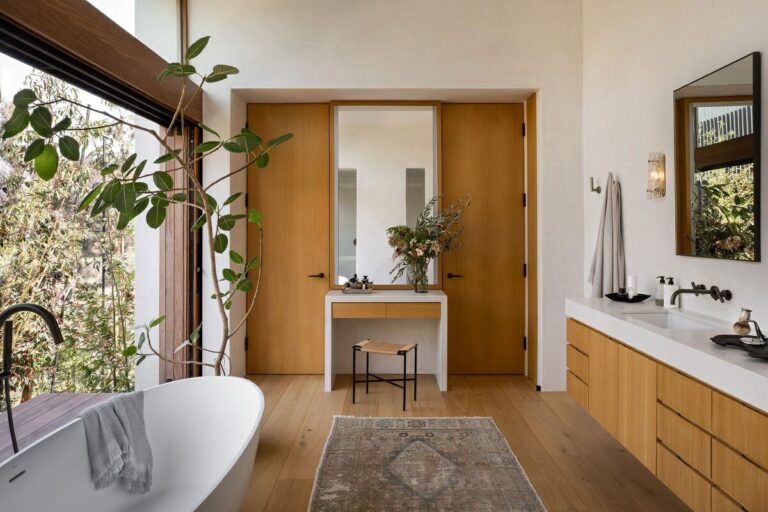
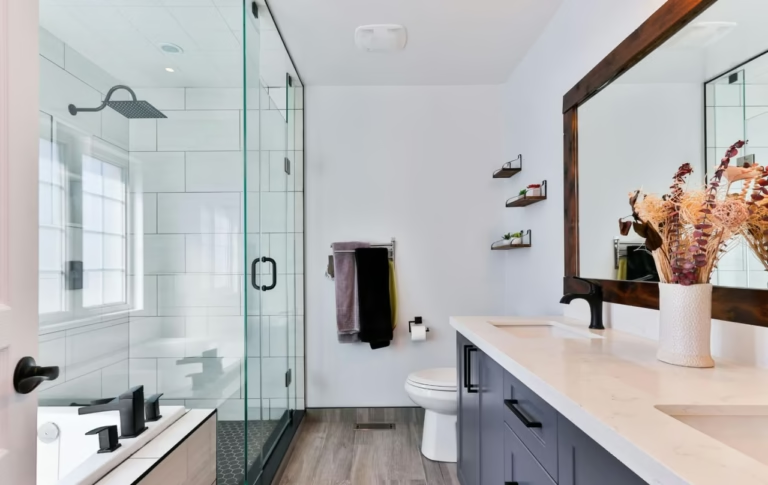
Bathrooms are often among the smallest spaces in a home, but strategic improvements can make them feel bigger.
Wall-mounted sinks free up floor space and create a modern look. Floating vanities provide storage while maintaining an open feel. Sliding shower doors save space compared to traditional swinging doors.
Large mirrors are highly effective in bathrooms because they reflect both light and space. Installing recessed medicine cabinets can also provide storage without protruding into the room.
Choosing large tiles instead of small ones can create a cleaner, less busy appearance, making the bathroom feel larger.
Create Hidden Storage Areas
Hidden storage is a game changer for small homes. It helps reduce visible clutter while keeping items accessible.
Beds with built-in drawers are perfect for storing clothes, bedding, or seasonal items. Stairs can include pull-out drawers for shoes or accessories. Benches with storage compartments are useful in entryways or dining areas.
Even hollow furniture pieces can be customized for hidden storage. These creative solutions help maintain a clean and organized look.
Clients who prioritize hidden storage often find their homes feel much larger.
Use Sliding Doors Instead of Traditional Doors
Traditional doors require space to swing open, which can waste valuable room. Sliding doors are a smart alternative for small spaces.
Barn doors, pocket doors, and sliding glass doors can save floor space while adding style. They work especially well for bathrooms, closets, laundry rooms, and bedrooms.
Pocket doors are particularly useful because they disappear into the wall, freeing up even more space.
This simple upgrade can improve both functionality and aesthetics.
Add Custom Closet Systems
Closets in small homes are often underutilized. A custom closet system can significantly increase storage capacity.
Adding extra shelves, hanging rods, drawers, and organizers makes it easier to store clothes, shoes, and accessories efficiently.
Clients can also use vertical dividers for handbags, hooks for belts, and pull-out baskets for smaller items.
A well-organized closet reduces clutter in the rest of the home.
Make Use of Corners
Corners are often wasted spaces in many homes. Creative home improvement can turn these areas into functional zones.
Corner desks are ideal for home offices. Corner shelves can display books or décor. Corner cabinets work well in kitchens and bathrooms for extra storage.
Even small reading nooks can be created in unused corners.
Making use of corners helps maximize every square foot.
Invest in Foldable and Expandable Features
Foldable and expandable home elements are ideal for compact living.
Wall-mounted folding tables can serve as dining areas or workstations. Foldable chairs can be stored away when not in use. Extendable countertops in kitchens can provide temporary extra space.
These flexible features adapt to changing needs without permanently taking up room.
This approach is perfect for clients who need versatility in their homes.
Use Minimalist Design Principles
Minimalism is highly effective in small spaces. Too many decorations, furniture pieces, or colors can make a room feel crowded.
Clients should focus on quality over quantity. Choosing fewer but more functional items creates a cleaner and more open look.
Neutral colors, simple furniture, and clutter-free surfaces make spaces feel larger. Minimalist design also improves mental comfort by creating a calm environment.
This does not mean the space has to feel boring. Strategic décor choices can still add personality.
Improve Flooring Continuity
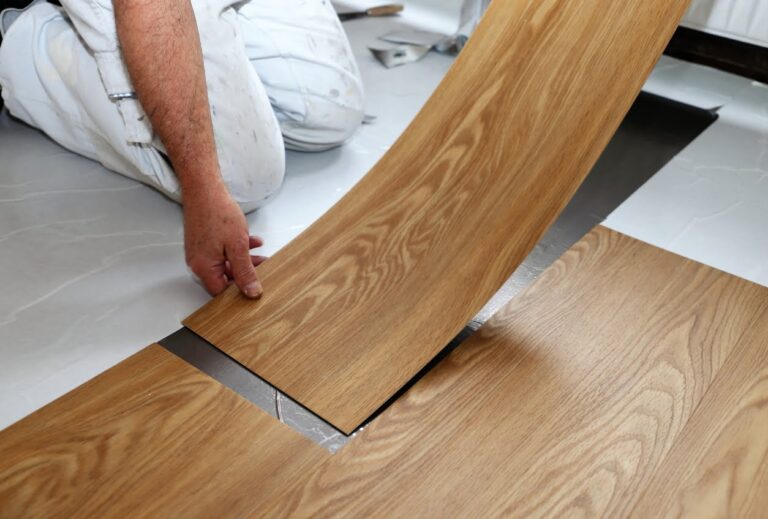
Using the same flooring throughout connected spaces can make a home feel larger. Different flooring types can visually break up the space and make it feel smaller.
For example, using one flooring style across the living room, kitchen, and hallway creates a seamless flow.
Lighter flooring colors generally work best in small spaces because they reflect more light.
Clients should also avoid bulky rugs that divide the room visually.
Smart Technology for Small Homes
Modern technology can improve convenience while saving space.
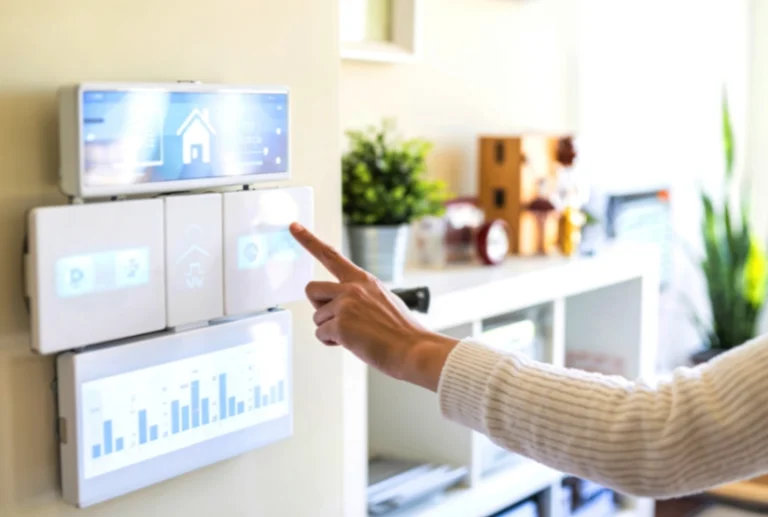
Smart lighting systems reduce the need for multiple switches and bulky fixtures. Wall-mounted smart TVs save floor space. Smart thermostats improve comfort without additional equipment.
Voice-controlled assistants can help manage daily tasks without taking up much room.
Automated blinds, hidden charging stations, and wireless systems also reduce clutter.
Technology can make small homes feel more advanced and efficient.
Personalizing Small Spaces Without Overcrowding
A small home should still feel personal and welcoming. The key is balance.
Clients can personalize spaces with artwork, small plants, stylish cushions, and decorative lighting. Instead of many small decorations, choosing a few statement pieces often works better.
Gallery walls can add personality without using floor space. Indoor plants bring freshness and improve air quality.
Personal touches make the home feel unique while maintaining efficiency.
Planning Your Small Space Renovation
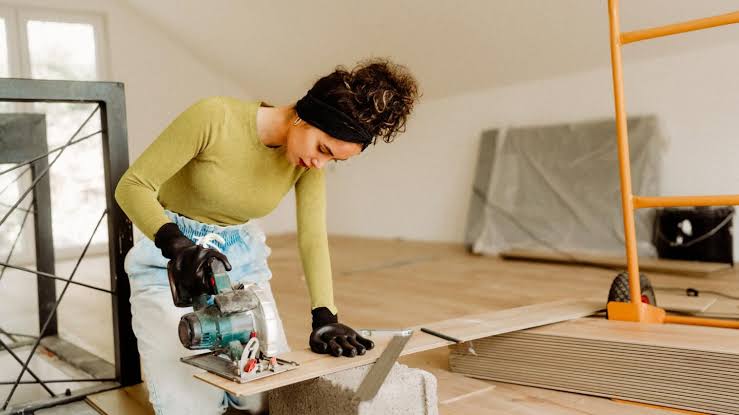
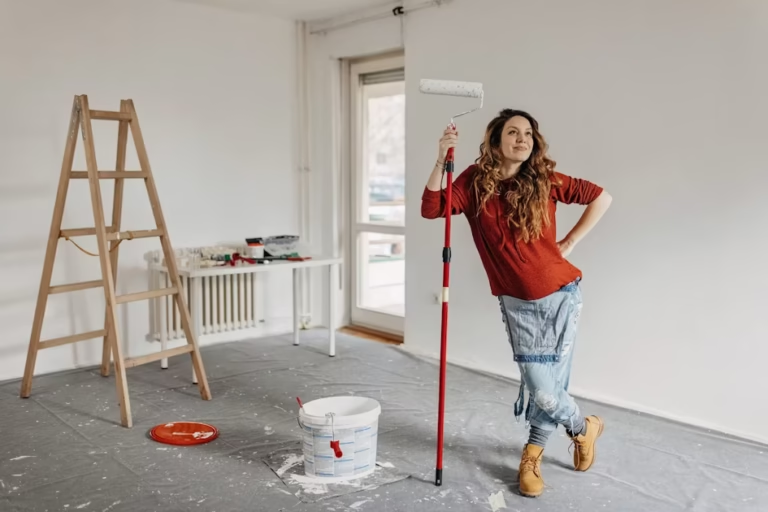
Successful home improvement always starts with a plan. Clients should set a realistic budget, prioritize the most important upgrades, and work with experienced professionals when necessary.
It is helpful to measure everything carefully before buying furniture or starting construction. A clear vision of how the space should function will guide better decisions.
Clients should also think long-term. Improvements that increase storage, comfort, and flexibility offer the best value.
Small spaces require creativity, but the rewards are significant.
Final Thoughts
Improving small spaces efficiently is all about smart design, practical upgrades, and thoughtful planning. Limited square footage does not have to mean limited comfort or style. With the right home improvement ideas, clients can create homes that feel larger, function better, and reflect their personal taste.
From multi-functional furniture and vertical storage to open layouts and smart technology, there are countless ways to transform compact spaces. Every small improvement can have a big impact.