How Clients Can Choose the Right Home Improvement Projects for Maximum ROI
Home improvement is one of the smartest ways to increase property value, improve comfort, and create a better living environment. However, not every renovation project offers the same return on investment (ROI). Many homeowners spend thousands on upgrades only to discover that some changes do not significantly improve resale value. This is why choosing the right home improvement projects is essential.
When clients understand which renovations provide the best financial returns, they can make informed decisions that balance personal enjoyment with long-term value. Whether the goal is to sell the home in the near future or simply improve its functionality, selecting the right projects can make a major difference.
In this guide, we will explore how clients can identify the best home improvement projects for maximum ROI and avoid common mistakes that can reduce profitability.
Understanding ROI in Home Improvement
Return on investment in home improvement refers to how much value a renovation adds compared to its cost. For example, if a client spends $20,000 on a kitchen remodel and the home value increases by $15,000, the ROI would be 75%.
Not every project needs to have a high ROI if the homeowner plans to stay long-term. However, for those thinking about resale or increasing equity, ROI becomes a key factor.
Projects with strong ROI usually focus on functionality, curb appeal, energy efficiency, and modern features that appeal to buyers.
Start With Property Assessment
Before beginning any renovation, clients should evaluate their property carefully. This step helps identify areas that truly need improvement.
Walk through the house and ask important questions:
Is the roof in good condition?
Are the windows outdated?
Does the kitchen look old?
Is the bathroom functional?
Does the exterior look attractive?
A property assessment helps prioritize essential repairs over cosmetic changes. Structural issues should always come first because they directly impact safety and value.
Understand the Local Market
One of the biggest mistakes clients make is ignoring their local real estate market. A renovation that works well in one neighborhood may not provide the same value in another.
For example, installing a luxury swimming pool in a moderate-income area may not deliver strong returns. Meanwhile, upgrading a kitchen or adding energy-efficient windows could be far more valuable.
Clients should research:
Current home prices in the area
Popular buyer preferences
Neighborhood standards
Future development plans
Understanding what buyers want in the local market helps ensure renovations align with demand.
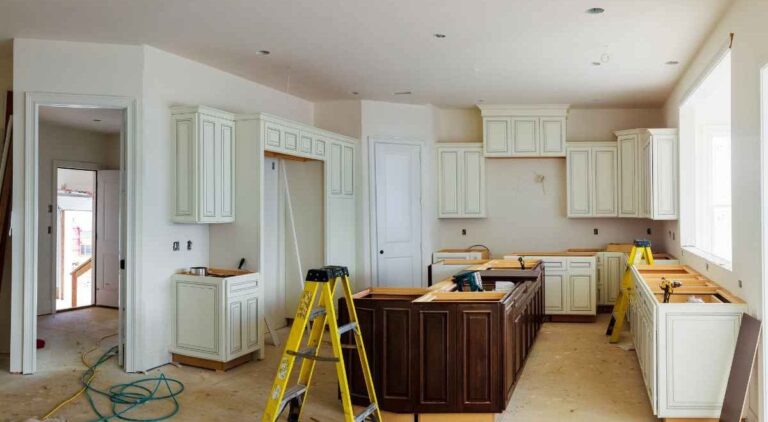
Focus on Kitchen Improvements
The kitchen is often considered the heart of the home. It is also one of the most valuable spaces when it comes to ROI.
Clients do not always need a full remodel. Small, strategic upgrades can provide excellent returns.
Popular kitchen improvements include:
Replacing outdated cabinets
Installing modern countertops
Upgrading appliances
Adding better lighting
Improving storage space
Updating flooring
A fresh, functional kitchen appeals strongly to buyers and enhances daily living.
Minor kitchen remodels often provide better ROI than expensive luxury renovations.
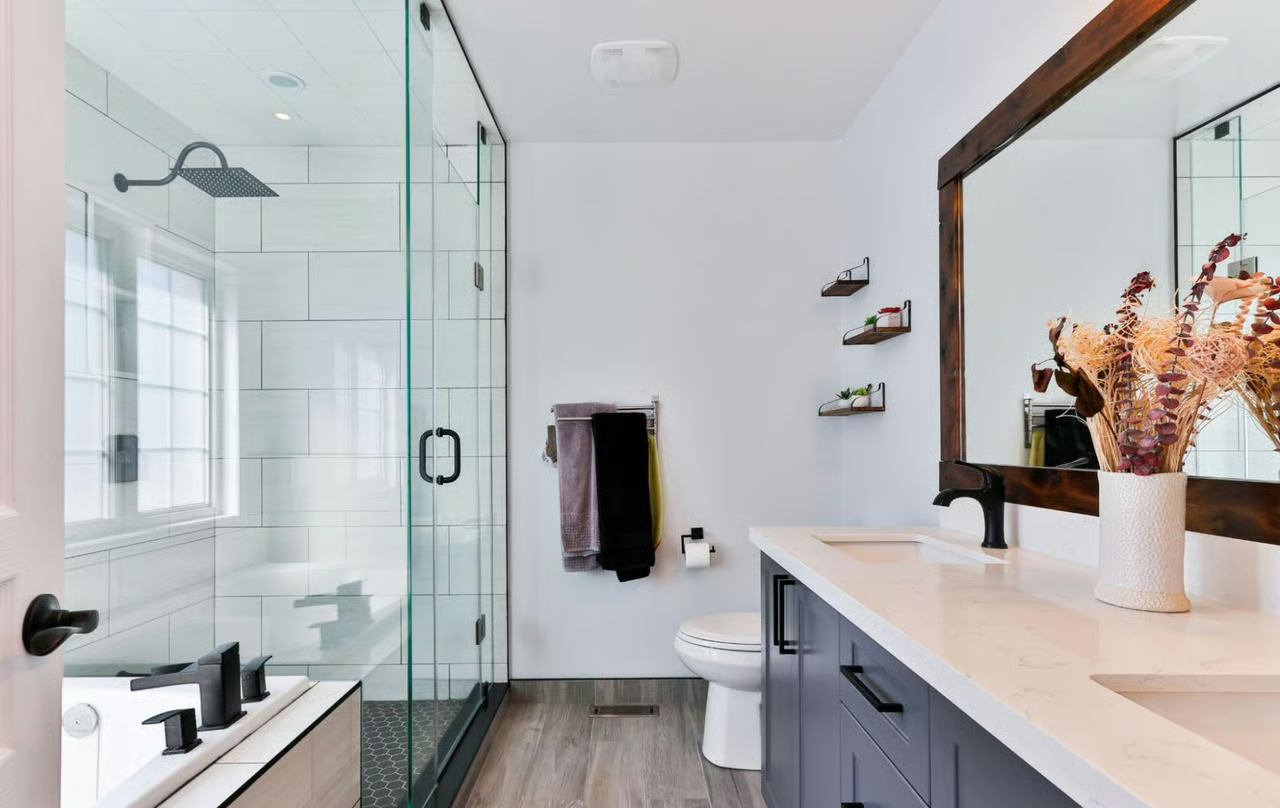
Prioritize Bathroom Upgrades
Bathrooms are another high-impact area for home improvement. A clean, modern bathroom can significantly boost property appeal.
Clients should focus on:
Replacing old fixtures
Installing new tiles
Upgrading vanities
Improving ventilation
Adding water-efficient toilets
Enhancing lighting
Simple improvements can transform the space without overspending. Buyers often pay close attention to bathrooms, making this investment worthwhile.
Improve Curb Appeal
First impressions matter. The exterior of a home is the first thing potential buyers or guests notice.
Improving curb appeal is often affordable and highly effective.
Smart curb appeal projects include:
Fresh exterior paint
Landscaping improvements
Upgrading the front door
Installing outdoor lighting
Repairing driveways
Cleaning walkways
Adding modern house numbers
A welcoming exterior creates positive emotional appeal and can increase property value quickly.
Invest in Energy Efficiency
Energy-efficient upgrades are becoming more important for modern buyers. They reduce utility bills and support environmental sustainability.
High-ROI energy improvements include:
Installing energy-efficient windows
Upgrading insulation
Replacing old HVAC systems
Adding smart thermostats
Installing LED lighting
Using solar panels where practical
These improvements can make a property more attractive while lowering long-term costs.
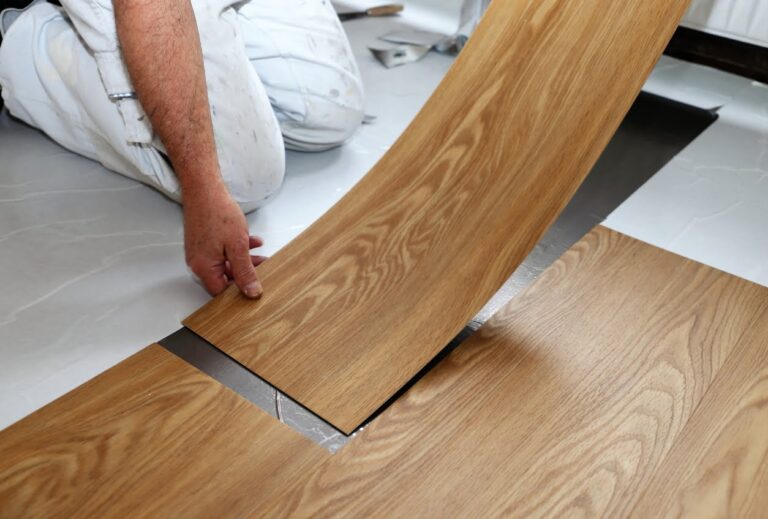
Upgrade Flooring
Old or damaged flooring can make a home feel outdated. Replacing flooring is one of the most noticeable improvements clients can make.
Popular options include:
Hardwood flooring
Luxury vinyl planks
Laminate flooring
Tile flooring
Carpet in bedrooms
Hardwood and luxury vinyl are especially popular because they are durable and visually appealing.
Flooring upgrades improve aesthetics and help create a cleaner, more modern look.
Add Functional Living Space
Adding usable space often increases home value significantly.
Examples include:
Finishing a basement
Converting an attic
Building a home office
Creating a guest room
Adding a laundry room
As remote work continues to grow, home offices have become especially valuable.
Clients should focus on making every square foot functional.
Consider Smart Home Features
Technology plays a major role in today’s housing market. Smart home upgrades can make a property feel modern and attractive.
Popular smart upgrades include:
Smart security systems
Video doorbells
Smart lighting
Smart locks
Automated blinds
Voice-controlled systems
These features add convenience and can increase buyer interest.
Repair Before Replacing
Sometimes repairs provide better ROI than full replacements.
For example:
Refinishing cabinets instead of replacing them
Repairing hardwood floors instead of installing new ones
Painting walls instead of major remodeling
Fixing roof leaks instead of replacing the entire roof
Clients should evaluate whether repairs can achieve similar results at a lower cost.
This approach helps maximize ROI while controlling expenses.
Set a Realistic Budget
Budgeting is critical for successful home improvement planning.
Clients should:
Determine available funds
Set priorities
Include emergency costs
Compare contractor estimates
Avoid overspending on luxury features
A realistic budget helps prevent financial stress and ensures projects stay profitable.
Experts recommend setting aside 10% to 20% for unexpected expenses.
Choose Quality Over Trends
Trendy designs can become outdated quickly. Clients should focus on timeless upgrades that remain attractive for years.
Examples of timeless improvements include:
Neutral paint colors
Classic kitchen designs
Simple bathroom layouts
Durable flooring
Quality fixtures
Timeless designs appeal to a wider audience and provide better long-term value.
Work With Professional Contractors
Hiring experienced contractors can improve project quality and reduce costly mistakes.
Clients should:
Check licenses
Read reviews
Request references
Compare quotes
Review portfolios
Professional contractors can provide valuable advice on which projects deliver the best ROI.
Good workmanship also protects the value of the investment.
Avoid Over-Improving
One of the most common mistakes is spending more on renovations than the neighborhood supports.
For example:
A $100,000 kitchen remodel in a modest home may not be recoverable.
Luxury additions should match the surrounding market.
Clients should aim to improve their home to meet or slightly exceed neighborhood standards, not far beyond them.
Think About Maintenance Costs
Some upgrades may look attractive but require expensive maintenance.
Examples include:
Large swimming pools
Complex landscaping
Custom water features
High-maintenance materials
Clients should consider ongoing costs before starting a project.
Low-maintenance improvements often provide better long-term ROI.
Increase Storage Space
Storage is a major selling point for modern buyers.
Smart storage improvements include:
Walk-in closets
Garage shelving
Built-in cabinets
Kitchen pantry additions
Bathroom storage units
Better storage improves functionality and overall appeal.
Improve Lighting Throughout the Home
Lighting can completely transform a space.
Effective lighting upgrades include:
Recessed lights
Pendant lighting
Under-cabinet lights
Natural light improvements
Energy-efficient bulbs
Bright, well-lit homes feel larger, cleaner, and more inviting.
This small investment often creates a strong visual impact.
Paint for a Fresh Look
Painting is one of the most cost-effective home improvements.
Fresh paint can:
Make spaces look newer
Cover imperfections
Brighten rooms
Improve buyer perception
Neutral colors such as white, beige, and light gray often work best.
A fresh coat of paint offers excellent ROI for minimal cost.
Plan for Future Needs
Clients should think ahead when choosing renovations.
Questions to ask include:
Will this upgrade still be useful in five years?
Does it improve functionality?
Will future buyers appreciate it?
Planning for future needs helps ensure renovations remain valuable over time.
Track Project Performance
After completing improvements, clients should monitor their impact.
Track factors like:
Increased property value
Lower utility bills
Buyer interest
Rental income potential
This helps measure ROI and guides future investment decisions.
Final Thoughts
Choosing the right home improvement projects for maximum ROI requires careful planning, smart budgeting, and market awareness. The best projects are not always the most expensive ones. Often, practical upgrades like kitchen improvements, bathroom updates, better flooring, and energy-efficient solutions provide the strongest returns.
Clients should focus on projects that improve functionality, increase comfort, and align with local market demand. By prioritizing value-driven improvements and avoiding unnecessary luxury upgrades, homeowners can protect their investment and create a property that offers both immediate benefits and long-term financial rewards.
A smart home improvement strategy is not just about spending money. It is about investing wisely to build a better, more valuable home for the future.