Tile Flooring vs Vinyl Flooring
Choosing the right flooring is one of the most important decisions in home design. Two of the most popular options are tile flooring and vinyl flooring. Each has its own advantages, drawbacks, and ideal uses. The best choice depends on where you’re installing it, your budget, your lifestyle, and the look you want to achieve.
This guide compares tile and vinyl flooring to help you decide which is better for your home.
What Is Tile Flooring?
Tile flooring usually refers to ceramic or porcelain tiles. These are made from clay or similar materials and fired at high temperatures to create a hard, durable surface. Natural stone tiles (like marble, granite, or slate) are also considered tile flooring but are typically more expensive.
What Is Vinyl Flooring?
Vinyl flooring is a synthetic flooring material made from PVC (polyvinyl chloride). It comes in sheets, tiles, or planks and is designed to mimic the look of wood, stone, or ceramic tile. Modern vinyl can be very realistic in appearance.
Appearance and Style
Tile Flooring
- Classic look: Tile is ideal for traditional, modern, or sophisticated designs.
- Variety: Comes in many sizes, shapes, colors, and finishes.
- Natural stone option: Adds authentic texture and luxury when using stone tiles.
Vinyl Flooring
- Highly versatile: Can mimic wood, stone, or tile with realistic patterns.
- Wide range of styles: Available in many colors and textures.
- Design flexibility: Large format planks or tiles work with many interior styles.
Durability and Longevity
Tile Flooring
- Very durable: Resists scratching, denting, and heavy wear.
- Long lifespan: Properly installed tile can last decades.
- Waterproof options: Most tile and grout are water‑resistant, ideal for wet areas.
Vinyl Flooring
- Durable but softer: Resists scratches better than some wood floors but can dent under heavy furniture.
- Modern wear layers: High‑quality vinyl has a strong protective wear layer.
- Waterproof: Most vinyl is waterproof, making it suitable for kitchens and bathrooms.
Installation
Tile Flooring
- Complex installation: Involves a level subfloor, adhesive mortar, grout, and sealing.
- Time‑consuming: Usually requires professional installation.
- Heavier material: Requires proper subfloor support.
Vinyl Flooring
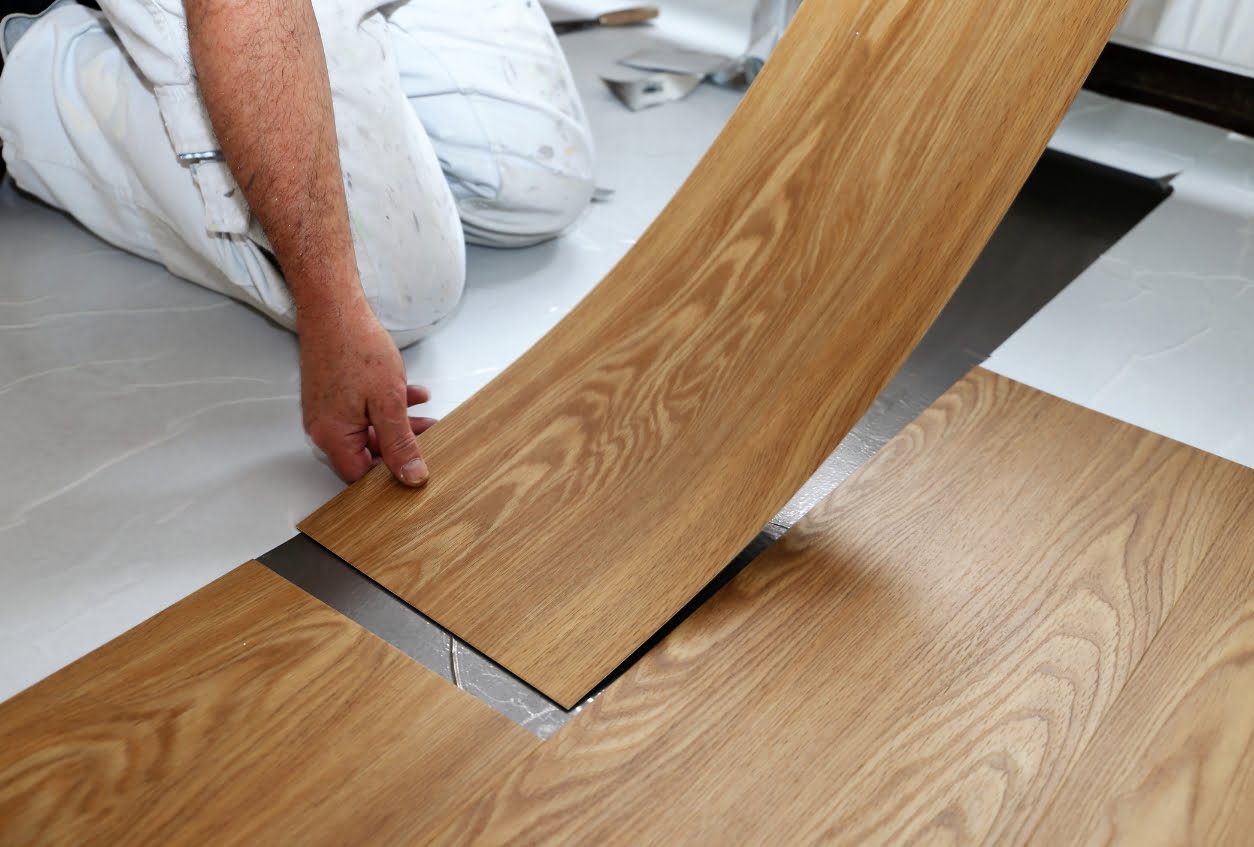
- Easy installation: Many vinyl products click together (floating floor) or glue down.
- DIY‑friendly: Can often be installed without a professional.
- Lightweight material: Easier to handle and install.
Comfort Underfoot
Tile Flooring
- Cool and hard: Tile stays cool, which can be nice in hot climates.
- Firm surface: Comfortable with rugs but hard on feet if standing long periods.
- Can be paired with radiant heat: Works well with underfloor heating systems.
Vinyl Flooring
- Softer feel: Slightly cushioned underfoot, easier on joints.
- Quieter: Absorbs sound better than tile.
- Warmer at room temperature: More comfortable underfoot in cooler climates.
Maintenance and Cleaning
Tile Flooring
- Low maintenance: Sweep and mop regularly.
- Grout care: Grout lines can stain and may need periodic sealing and cleaning.
- Stains and spills: Tile resists stains well if sealed.
Vinyl Flooring
- Very low maintenance: Sweep and damp mop; no sealing needed.
- Easy stains removal: Most spills wipe clean easily.
- Avoid abrasive cleaners: Harsh chemicals can dull the wear layer.
Water and Moisture Resistance
Both materials perform well in moisture‑prone spaces, but in different ways:
Tile Flooring
- Highly water‑resistant: Especially good when grout and edges are sealed.
- Excellent for wet areas: Great for bathrooms, laundry rooms, and kitchens.
Vinyl Flooring
- Waterproof options: Vinyl is generally waterproof or highly water‑resistant.
- Good for basements: Performs well even in areas with moisture concerns.
Cost Comparison
Tile Flooring
- Material cost: Varies by material; basic ceramic tile is affordable, porcelain and stone cost more.
- Installation cost: Higher due to labor, materials (adhesives, grout), and precision required.
- Total cost: Usually higher overall than vinyl.
Vinyl Flooring
- Material cost: Generally more affordable than tile.
- Installation cost: Lower, especially for DIY.
- Total cost: Often significantly cheaper than tile.
Resale Value
Tile Flooring
- Adds strong resale value, especially in kitchens and bathrooms.
- Natural stone tile can be a strong selling feature.
Vinyl Flooring
- Adds value compared to outdated flooring but typically less than tile or hardwood.
- Luxury vinyl tile (LVT) can perform better in resale appeal due to high quality.
Best Uses for Each
Best for Tile Flooring
- Bathrooms
- Kitchens
- Entryways
- High‑traffic areas
- Homes aiming for long‑term durability and high resale value
Best for Vinyl Flooring
- Living rooms
- Bedrooms
- Basements
- Budget‑friendly renovations
- Homes looking for warmth and comfort underfoot
Final Thoughts
Both tile and vinyl flooring have strong advantages, but they suit different priorities:
- Choose tile if you want: Durability, timeless style, high resale value, and exceptional water resistance.
- Choose vinyl if you want: Budget‑friendly installation, comfortable feel, easy maintenance, and design versatility.
The best choice depends on your space, budget, lifestyle, and aesthetic preferences. Tile offers long‑lasting durability and classic beauty, while vinyl provides easy installation and comfort at an affordable price.
Explore the latest entertainment news and reviews at NyHeading.