A Simple Guide to Kitchen Remodeling
Remodeling your kitchen is one of the most effective ways to improve your home’s functionality, style, and value. A well-planned remodel can transform an outdated or cramped kitchen into a modern, efficient, and inviting space. With careful planning, smart budgeting, and practical design choices, even a small kitchen can feel spacious and stylish.
Here’s a simple guide to kitchen remodeling for beginners and homeowners looking to upgrade their space.
Plan Your Kitchen Layout
The layout is the foundation of a functional kitchen. Popular layouts include:
- L-Shaped: Works well in small to medium spaces, offering efficient workflow.
- U-Shaped: Provides ample counter space and storage, ideal for larger kitchens.
- Galley Layout: Perfect for narrow kitchens, maximizing space on both sides.
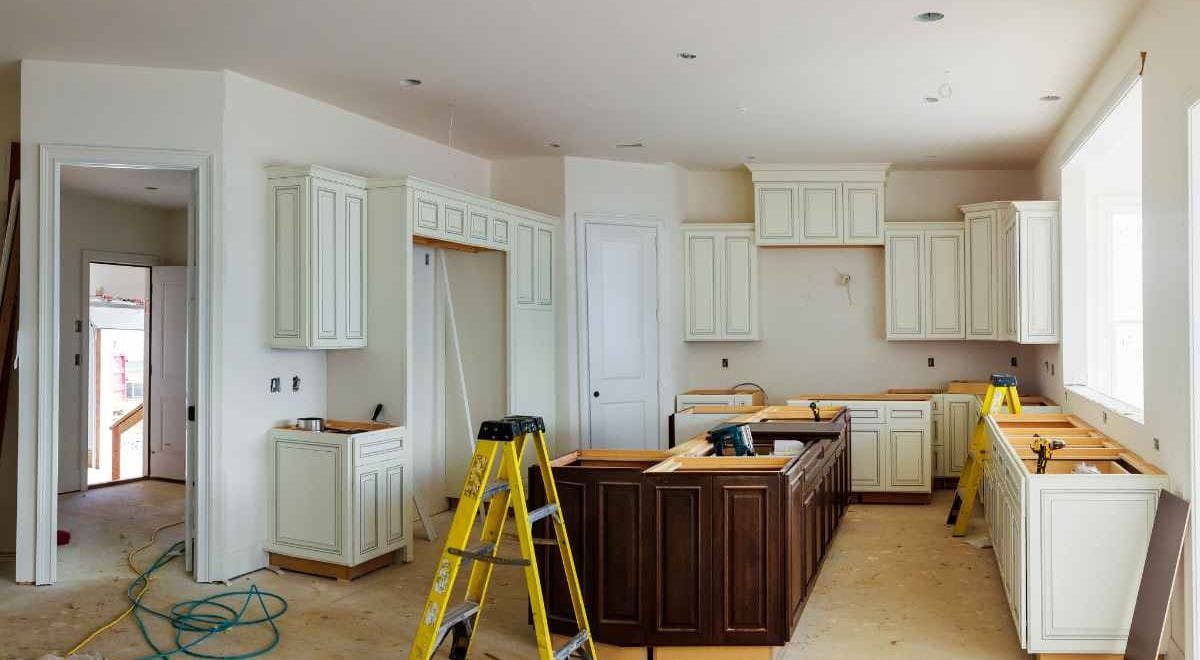
- Island Layout: Adds extra prep space and seating, suitable for open-concept homes.
Keep the kitchen “work triangle” in mind—sink, stove, and refrigerator should form a triangle for smooth movement.
Set a Realistic Budget
Budgeting is essential to avoid overspending. Include costs for:
- Cabinets and countertops
- Appliances and fixtures
- Lighting and flooring
- Labor and permits
- Unexpected expenses
Adding a 10-20% contingency ensures you’re prepared for surprises.
Choose Durable Materials
High-quality materials make your kitchen more durable and visually appealing:
- Countertops: Quartz, granite, or laminate for both style and longevity.
- Cabinets: Solid wood or high-quality MDF for durability.
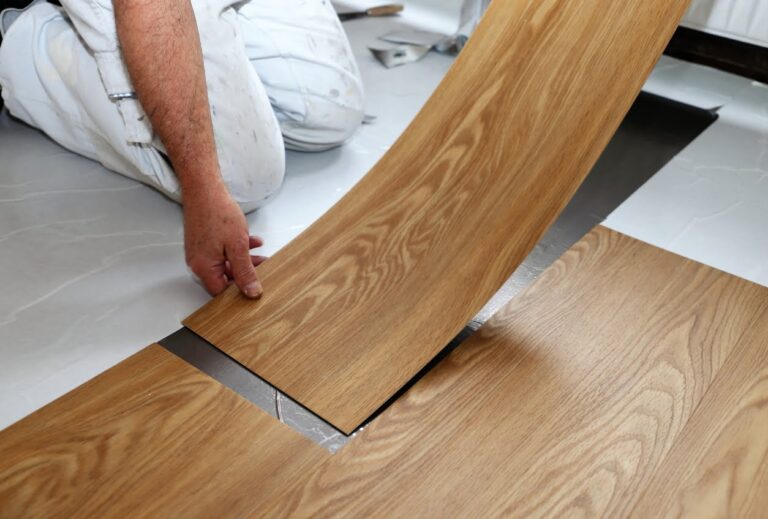
- Flooring: Tiles, hardwood, or luxury vinyl for moisture resistance.
- Backsplashes: Tiles, glass, or peel-and-stick options for a modern look.
Upgrade Appliances
Modern appliances improve efficiency and functionality. Consider energy-efficient models for your refrigerator, oven, and dishwasher. Smart appliances with features like Wi-Fi connectivity or touchless operation add convenience and appeal.
Maximize Storage
Small kitchens can feel cluttered without smart storage solutions. Use:
- Pull-out drawers and shelves
- Corner cabinets
- Pantry organizers
- Hooks and wall-mounted racks
Optimized storage makes the kitchen more practical and reduces countertop clutter.
Improve Lighting
Lighting enhances both style and usability. Use a mix of:
- Ceiling lights for general illumination
- Under-cabinet lights for task areas
- Pendant lights above islands or dining spaces
Layered lighting creates a welcoming atmosphere and makes cooking easier.
Ensure Proper Ventilation
Proper ventilation prevents smoke, odors, and moisture buildup. Install a quality range hood and ensure airflow with windows or vents. Good ventilation also protects cabinets, countertops, and walls from damage.
Add Stylish Finishes
Small design details make a big impact:
- Cabinet knobs and handles
- Modern faucets
- Decorative backsplashes
- Accent walls or paint colors
Finishing touches can modernize your kitchen without a large investment.
Know Your DIY Limits
While painting or installing shelves can be done yourself, plumbing, electrical, and structural work should be handled by licensed professionals. Proper installation ensures safety and compliance with building codes.
Inspect the Work
Check progress regularly at each stage of the remodel. Confirm that everything meets your expectations, adheres to the plan, and complies with safety standards. Address any issues promptly.
Final Thoughts
Kitchen remodeling improves functionality, aesthetics, and home value. By planning your layout, setting a realistic budget, choosing durable materials, upgrading appliances, and optimizing storage, you can transform your kitchen into a space that is both practical and stylish.
Even small or budget-conscious renovations can make a big difference when approached carefully. A thoughtful remodel ensures your kitchen becomes the heart of the home—modern, efficient, and inviting.
Explore the latest entertainment news and reviews at NyHeading.