Fire-Resilient Outdoor Spaces: 3 Materials That Withstand the Heat
Bushfires have a way of reminding us just how fragile our homes and outdoor spaces can be. If you’ve ever walked outside after a scorching summer day and felt the timber on your deck radiating heat like an oven tray, you’ll know exactly what I mean. Your safety matters, which is why many homeowners are rethinking their backyard builds. Instead of sticking with old habits, they’re turning to smarter, safer choices, like aluminium structures, that don’t just look good but also stand firm when temperatures spike.
So, which materials actually hold their own against fire and still give you the stylish space you’ve been dreaming about? Let’s talk about three that are reshaping the way we build our outdoor spaces.
Aluminium
Something as lightweight as aluminium can hold up better than most of the heavy stuff out there when the heat is on. It’s non-combustible, so it won’t catch fire or feed flames like timber can, and that alone makes it the best option for anyone building in fire-prone areas. Additionally, aluminium manages to strike this rare balance between strength and elegance. Those sleek pergolas you’ve seen on Instagram? Many of them are made of aluminium structures.
It doesn’t rot, it’s termite-proof, and it won’t warp under the kind of intense sun most of us try to escape under our own shade sails. Plus, its lightweight nature means installing it is so easy. You don’t need half a dozen strong backs to carry a bulky frame around.
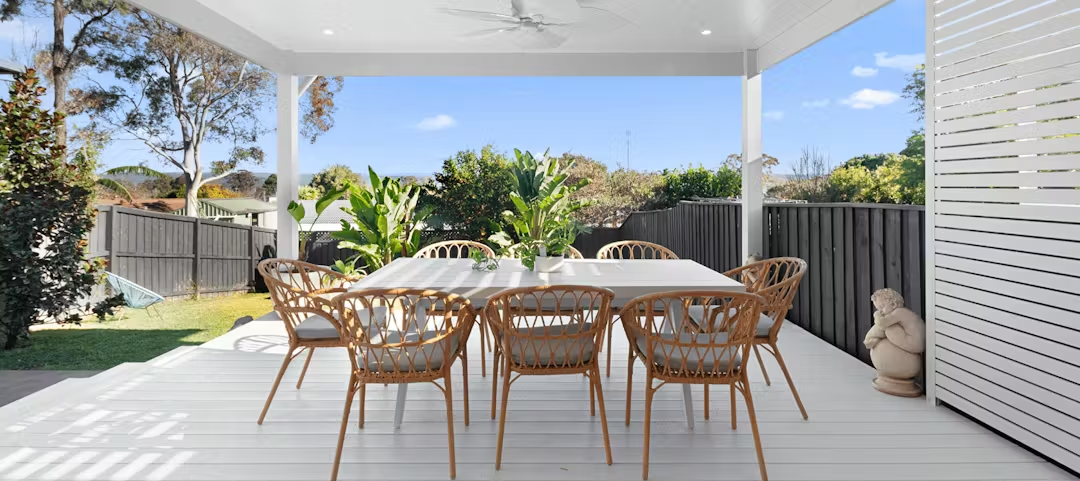
Aluminium beams are the structural backbone. They provide the rigidity that makes wide-span pergolas, carports, or deck overhangs possible without multiple posts cluttering your space. Speaking of decks, a well-designed aluminium decking frame is incredibly useful as it won’t buckle, crack, or splinter under extreme heat, and requires almost zero maintenance over the years. Sounds like a dream, right? It’s completely achievable with aluminium.
Switching to aluminium is a lifestyle upgrade. Your worries are eased since the structure can actually handle whatever the weather throws at it. Plus, there’s something satisfying about knowing your outdoor space is both beautiful and practically indestructible.
Steel
Steel might not have the lightweight charm of aluminium, but don’t underestimate it. This is the very same material that’s been holding up skyscrapers and bridges for years. It doesn’t ignite, and while it can conduct heat, it holds its shape under intense temperatures far better than most average building materials. If you’ve ever run your hand along a steel railing on a hot day, you know it gets warm, but it doesn’t combust like timber, which is a big deal when you’re planning a safe outdoor retreat.
The strength of steel allows you to explore bold, open designs for your outdoor space, like a pergola that stretches over a large patio without multiple posts in the middle. They manage those longer spans with ease, making it ideal for dramatic, airy structures that feel spacious without compromising on safety. It’s heavy, yes, but that weight is part of what gives it reliability. Pair it with a powder-coated finish and your pergola will have corrosion resistance that lasts decades, even in coastal areas where salt air would eat away at any other kind of materials.
The resistance of steel doesn’t mean you’re sacrificing on style either. Modern outdoor designs often use steel frames mixed with wood, composites, or even glass, giving you that “natural warmth” without the risk of fire. If you’re concerned about maintenance, a steel frame generally requires far less attention than timber. A quick inspection now and then, a touch-up on paint or finish, and you’re good to go.
Composite Materials
You might be thinking, “A mix of wood and plastic? Can that really handle the heat?” Surprisingly, yes. Composite materials are engineered to mimic the look and feel of timber but are far more fire-resistant. While they’re not completely non-combustible like aluminium or steel, they reduce the risk of flames spreading and charring, making them a smart choice for homeowners who want the warmth of wood without compromising on safety.
They are also incredibly versatile. You can have decking boards that look like rich, oiled hardwood or fencing panels that feel luxurious without the constant worry of maintenance or rot. They’re perfect for creating cozy nooks, stylish decks, or privacy screens that elevate your backyard vibe without sacrificing on resilience.
Composites can also be used with other materials. Pair a composite deck surface with an aluminium decking frame or steel beams, and you’ve got something that’s visually appealing and structurally sound. You get the timber’s warmth as well as the aluminium’s or steel’s toughness.
Conclusion
Aluminium, steel, and composite materials are the most important to consider for fire-resilient outdoor spaces. With this information in mind, you can create a backyard that is beautiful and prepared for the heat and hazards that nature throws your way.
Ultimately, you want to design a fire-smart outdoor space that can survive a bushfire, all while looking stunning at the same time. It’s about sipping your morning coffee on a deck that won’t splinter under the sun or hosting an evening barbecue without that nagging worry in the back of your mind.